


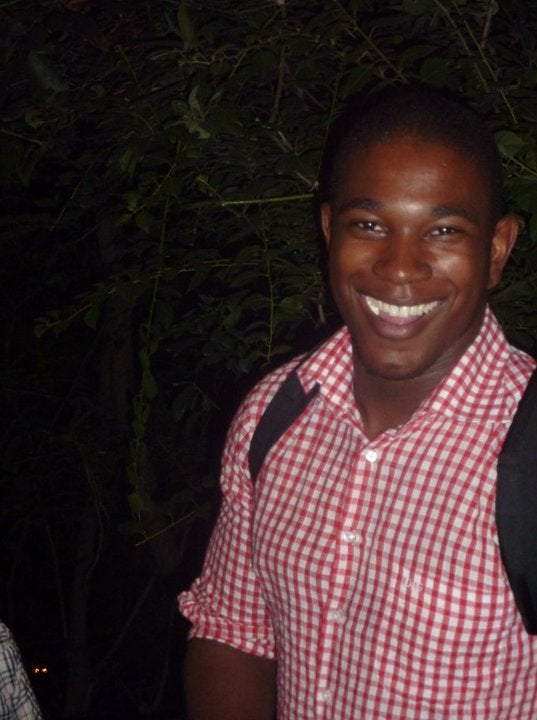
Adrian Francis went into hospital in June 2023 as a healthy young man. A few days later, he was dead after being left “in a state of immobility”.
The 33-year-old, who once represented Great Britain in athletics, had been demoted to first grade Catatonic state after health workers at Hallam Street Hospital in West Bromwich Albion allegedly pinned him to the ground and forcibly administered anti-psychotic medication.
Adrian was left “terrified and confused”, incapacitated and forced to be washed, dressed and fed with a spoon, according to a leaked internal investigation into his death. Eighteen days later, while still in the hospital, his physical condition deteriorated so much that he collapsed and later died.
Review, viewed by Independent, It revealed a series of failings by the Black Country Health Trust, which runs the hospital. The review warned that his case, It indicates “underlying systemic issues” in the hospital.
Adrian’s family now wants answers. But his case is not the only one that has raised questions at the hospital. Three months earlier, 21-year-old Shannon Lee Jordon died following a setback, with an inquest into her death hearing that a healthcare worker at the hospital was not looking after her every 15 minutes.
Concerns as Independent It shows a series of alleged failures of trust, including multiple patient deaths, alleged sexual assaults on patients by a member of staff and patients being locked in isolation for days without supervision.
Senior doctors have claimed their complaints were “ignored or hidden” by leaders, and doctors have warned the organization has a “culture of fear” and a “conspiracy of silence” that is putting patients at greater risk.
“left motionless”
Adrian, who had paranoid schizophrenia, was a patient at the Black Country Healthcare Foundation for 13 years before his death. He had managed his condition with medication for at least 10 years.
However, following the traumatic deaths of two family members, an internal review found that Mr Francis stopped taking his medication, which led to his deteriorating mental health. On June 9, 2023, he was admitted to Hallam Street, a 52-bed adult inpatient mental health unit.
A decision was made to treat Mr Francis based on his death report, commissioned by the trust and carried out by an external consultancy firm. When he refused to take medication, he was placed under the Mental Health Act, taped and forcibly medicated, the report said.
Soon after he was given the drug, he apparently developed symptoms of an adverse reaction. Eventually, his health deteriorated to the point where staff found him unable to leave his bedroom, the report said. He was unresponsive and powerless.
Adrian was sent to a nearby A&E twice due to concerns about his physical health, but was discharged to Hallam Street both times. Then on June 26, it fell on the ward. He was rushed to Sandol Hospital where he died.
An inquest concluded that Adrian died of a pulmonary embolism, but an inquest will ultimately determine the cause of death.

The report, which has not been made public, said: “Adrian arrived at the Abbey – a young man of 33 – living independently and taking pride in his appearance. He was reduced to being unable to walk, urinating, washing and dressing, and being spoon-fed.”
“Employees don’t know what they are doing”
Reviewers criticized poor staff record-keeping and said action was not taken quickly when the alleged side effects of Adrian’s drug became more apparent.
“There should not be this degree of confusion and delay… in diagnosing adverse drug reactions,” the report said.
We may never know exactly which syndrome or disorder Adrian suffered from – but it is certain that he suffered from a drug reaction and received no adequate care and treatment for it. Everyone who receives inpatient care has a right to expect better.
In a message quoted in the report, Adrian sent his father while he was still in prison, saying: “There are a lot of new staff who don’t know what they’re doing.”
Adrian’s family, who are awaiting his inquest in November, said Independent that the trust had a “dismissive attitude” after his death.
A member of his family, GP Dr Raffaella Poggi, claimed that trust had made things difficult: “We have asked to speak to managers and commissioners, but they have refused. They have a dismissive attitude. What happened to Adrian is what happens when you don’t coordinate care.”
Adrian’s brother Travis has since stopped working as a radiographer for the NHS because of what happened: “It’s been two years, but there’s still anger. There’s sadness. It shouldn’t have happened. It should have been so normal.”
‘SHe may still be alive today
The trust has already been investigated over the death of another patient.
Three months earlier, Shannon Lee Jordan, a 21-year-old nurse whose mental health had deteriorated while caring for elderly patients during the Covid pandemic, died while under the care of Hallam Street Hospital.
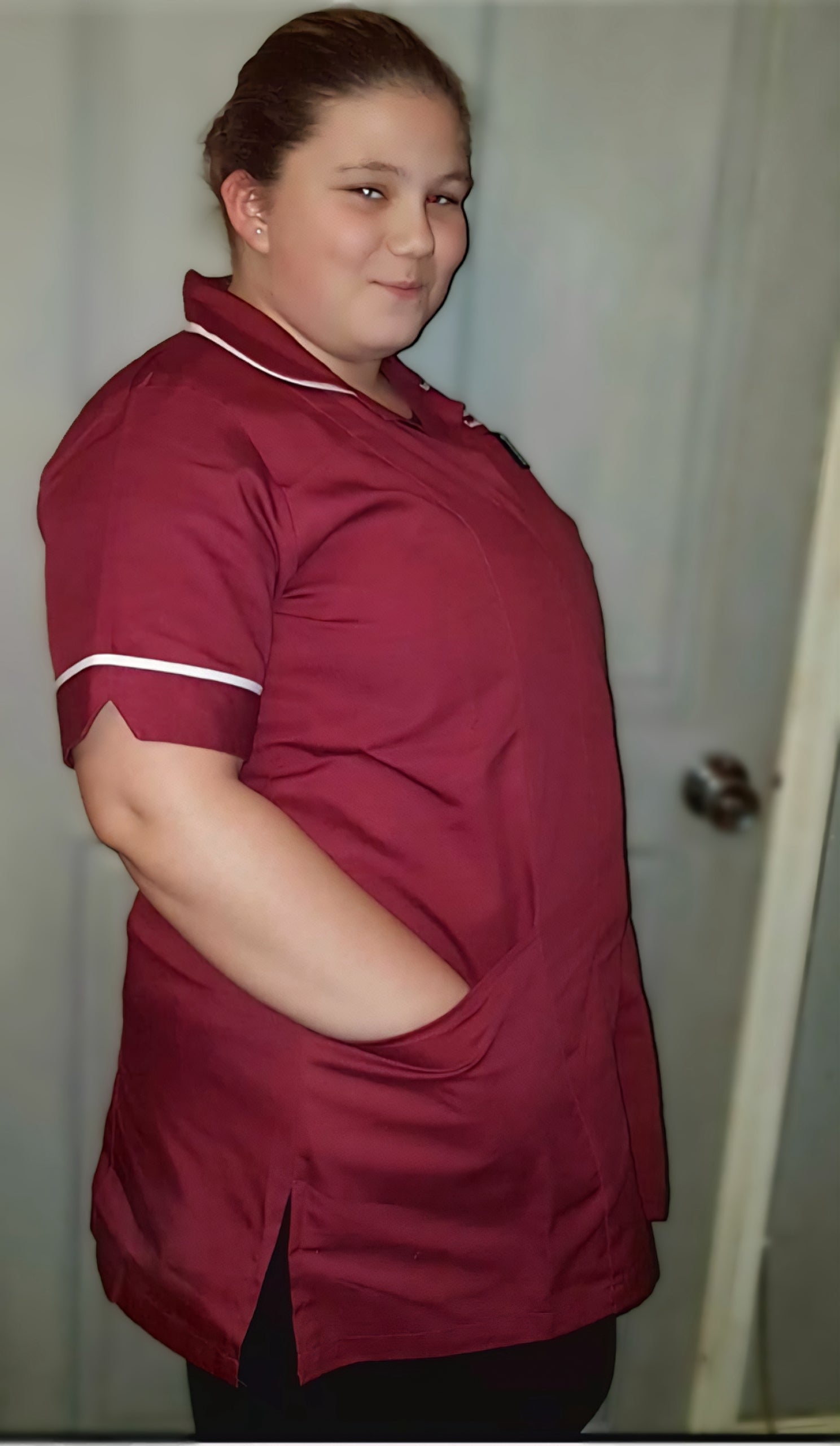
During an inquest into his death in October 2025, evidence showed he was considered a high-risk individual, but within hours of being downgraded from one-on-one observation to 15-minute checks, he was dead. An inquest ruled that he died of ligature strangulation.
At the investigation, a health care assistant at the agency, Uchechukwu Umeagukw, admitted that he did not carry out some 15-minute checks, which meant that Shannon was not seen for nearly an hour.
“I know maybe if I had checked on him, he might still be alive today,” she told the inquest.
The jury found that failure — and the fact that he falsely wrote in his notes that he had made the checks — likely contributed to his death. The worker was questioned by police but not charged. In questioning, he said he no longer works in health care.
Shannon’s mother, Nicola Lee Jordan, said she was disgusted by the care her daughter received, even when she was seeing one-on-ones. In photos shared with Independent The staff appears to be asleep when they were supposed to be monitoring Shannon.
Ms Jordon said: “My daughter cared about the elderly she cared for. That’s why she went out of business. These staff are just coming to get a pay packet. They don’t care.”
The family is now considering legal action against the trust.
Michael Portman-Hahn, whose law firm FBC Manby Bowdler is representing the Adrian and Shannon families, said they had recently seen a significant increase in the number of trust cases.
“It’s hard not to worry. The research reports are disgusting and I’m not sure the changes they’re making are enough.”
Fresh concerns about Hallam Street Hospital led to an inspection by the Care Quality Commission last month. This report has not been published yet.

Meanwhile, in July this year, a young man died while in the care of another hospital run by the trust – the Macarthur Center in West Bromwich, sources said. The trust declined to comment.
The trust confirmed that a routine safety audit at that facility also found four patients had been left in an isolation room for 90 hours without supervision, examination or medication.
A fourth patient died while at Bushey Fields Hospital in Dudley. His death will be examined by the coroner at an inquest later this month.
“Culture of Fear”
The trust is also facing allegations of sexual assault on two women by a member of staff at the Dorothy Pattison Inpatient Unit in Walsall. Police have confirmed that a man has been arrested on suspicion of sexual assault. He has been released on bail and suspended from his position while the police investigation continues.
In January 2023, former head Mark Weaver wrote to the trust while working there, claiming there was a “closed culture” and warning leaders about the recruitment and retention of nursing staff, as well as morale issues, violence and aggression on the wards.
Shortly after the letter, Dr. Weaver was suspended from his medical chair due to allegations about his conduct. Claiming to be a victim due to disclosure and racial discrimination, he has used the trust in a court of law. The trust has denied the claims and a result is expected soon.
Doctors Trust later voted no confidence in their senior management team. They also reiterated concerns that the trust was not working in the best interest of patients.
NHS England has been aware of the issues at Black Country Healthcare Trust worldwide. It visited the trust in July last year and forced it to sign up to an improvement notice. Among the multitude of issues was the need to restore confidence in freedom of expression.
This notice warned: There is concern about creating anxiety among some employees, suggesting that further improvements are needed to build trust, psychological safety and trust.
But doctors say concerns persist, and in August 2025, at a meeting between doctors and non-executive governors, they made further allegations.
According to the minutes seen by Independentdoctors claimed that a “culture of fear prevents open communication” while staff said they were worried about the consequences of increased safety concerns.
One doctor was quoted as saying that after decades at the trust, it is distressing to see the deterioration of organizational standards and patient care.
Another doctor highlighted the deteriorating morale in the trust, described a “conspiracy of silence” over the vote of no confidence in leaders and warned of the risk of further harm to patients.
Marsha Foster, chief executive of the trust, said: “These are serious and sensitive issues and our thoughts remain with the individuals and families affected.”
It said it is not appropriate to comment on individual cases while legal, forensic or employment processes are ongoing.
However, he said the trust had made significant and sustainable improvements in patient safety, including the introduction of electronic observation systems, improved supervision and clinical training and reduced reliance on temporary staff.
He said 97 percent of its safety incidents last year were low-grade or non-injury, and that when a serious incident occurs, he meets with families to listen and ensure an independent review of care.
A spokesman for NHSE Midlands said: “Black Country Health Care NHS Foundation Trust has very wide-ranging and significant challenges that require a higher level of scrutiny and support through our national oversight framework.”
A CQC spokesman said it carried out the inspection in October after concerns were raised and the findings would be published in due course.