


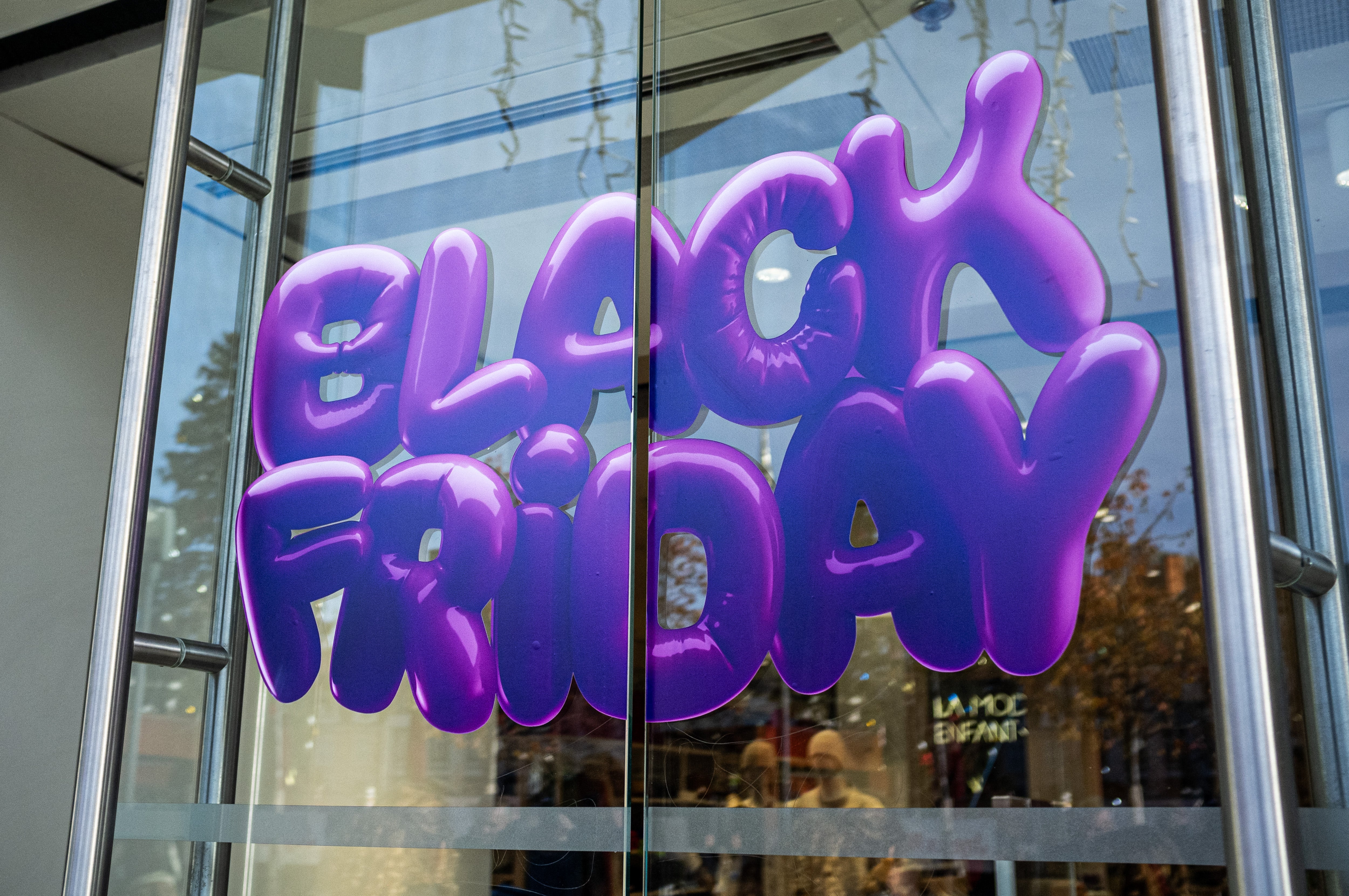
Once again, the annual shopping spree known as “Black Friday” is almost upon us, this year on November 28th. But sales are already going well.
What began as a one-day discount shopping event on the Friday after Thanksgiving in the US has turned into a week-long sales festival in stores and online. And it has spread to many parts of the world – including Australia.
It might be a good time to try to get a deal. But this week, the Australian Competition and Consumer Commission (ACCC) put retailers on notice. The consumer watchdog said it is on the lookout for a variety of misleading sales practices that could be used to trick consumers.
Retailers can face heavy financial penalties if they are found to be engaging in misleading or deceptive sales behavior. But as a consumer, it pays to understand how these shady tactics work so you can’t be fooled this sales season.
Inappropriate sales tactics
The ACCC says it is looking for a range of misleading or deceptive sales advertising tactics. Examples are:
- Advertised sales as “stores” when only certain items are discounted
- Countdown clocks or timers that show less time than the actual sale (to create false urgency)
- FINE PRINT DISCLAIMER EXCLUDING CERTAIN ITEMS FROM SALE
- “Up to X% off” discounts that only apply to a few items (or the “up to” text is not prominently displayed)
- Price comparisons of pre-sale and post-sale discounts that are not accurate (including cases where the price increased shortly before the discount was applied).
Unfortunately, there are many examples of misleading sales behavior that occur during peak shopping periods.
Following a similar move on Black Friday sales last year, the ACCC recently fined three retailers for misleading customers by advertising discounts as “in store” when only certain items were on sale.
In 2019, Kogan’s online marketplace offered a 10% “tax time” discount on products whose prices had increased immediately prior to the promotion (by at least 10% in most cases). It was subsequently fined A$350,000 for misleading conduct in breach of the Australian Consumer Law.
Why is the ACCC so strict about this kind of behaviour?
These examples of bad behavior may seem disturbing. But it turns out they’re not terribly bad – like selling dangerous physical products.
Why is the ACCC concerned about misleading behavior around Black Friday sales and indeed retail prices in general?
Shouldn’t consumers be more careful? The answer lies in the cumulative harm of misleading pricing behavior.
Manipulating consumers through marketing
Sales depend on consumers thinking they are getting a good deal on the products they want. And sometimes sales marketing seeks to convince customers that the deal is better than it is.
Marketing strategies such as countdown timers, record-breaking prices, or high-percentage discounts are designed to appeal to consumers’ emotions and prompt them to close a purchase.
About the author
Jeannie Marie Paterson is Professor of Law (Consumer Protection and Credit Law) at the University of Melbourne.
This article from The Conversation is republished under a Creative Commons license. Read the original article.
Consumers who have strong emotions or feel pressured to get a deal are less likely to rationalize the true value of the discount they are being offered. This is why truth is so important in sales pitches.
What are consumer protection laws for?
We have strong protections against misleading conduct in Australia for good reason. If sellers can trick customers into buying products at a discount that is actually illusory, those dishonest sellers have an advantage over honest sellers who sell at transparent and accurate prices.
This risks a market that rewards poor behavior and encourages a general rush to the bottom.
Australian consumer law believes that consumers should be able to take the advertising they see as true.
Consumers should not assume that they are going to be cheated by sellers.
Such an approach is inconsistent with the objective of enhancing the “welfare of Australians” by “promoting competition and fair trade” which underpins Australian Consumer Law.
Stop a bad deal
If you’re planning to buy an item in the Black Friday sale, it’s a good idea to take a screenshot before the sale. That way, you can check if the sale is real and the item you’re looking for is actually the same (not an older or cheaper model).
When shopping at the point of sale, take time to look at the discount offered. Is the discount real? Does it justify spending close to the holidays? Discounts may be marked with attractive colors, but they still don’t represent good value.
Finally, you can complain to the ACCC if you believe you have been misled by a pricing strategy, such as a discount that is not genuine or the exact discount being advertised.
Ideally, take screenshots of what is advertised and what you received to support your claim that they were treated fairly at the time of sale.