


For the first time in the 11-year history of the BYU American Family Survey, respondents cited finances as the top reason for limiting family size, citing it twice as often as any other factor, amid widespread concerns about rising everyday costs.
The 2025 results, released Friday, show that seven in 10 Americans say raising children is too expensive, up 13 percent from last year.
“For 70 percent of Americans to agree on something, that alone tells us something,” said Susan Brown, director of Bowling Green State University’s Center for Family and Demographic Research, who is not affiliated with the report. The Washington Post.
The poll, conducted by BYU’s Wheatley Institute and the Deseret News from Aug. 6-18, surveyed 3,000 people selected to reflect national demographics of gender, age, race, and education, with a margin of error of 2 points.
The results show how financial concerns are shaping Americans’ decisions about whether, when and how many children to have, as the U.S. birth rate remains near an all-time low of 1.6 children per woman in 2024, after a record low in 2023.
.png)
The survey found that financial constraints were the main factor limiting family size, with 43 percent of respondents citing “not enough money” as a reason for having fewer or more children.
Almost 41 percent of participants said that none of the factors listed, including “relationship instability,” “lack of family support,” and “conflict with career goals” influenced their decision.
Among other factors mentioned, the most common were “personal unwillingness” and “lack of a supportive partner”.
The USDA historically published an annual report estimating the costs of raising a child to adulthood (excluding college), which has long been considered the standard reference.
The most recent report, from 2015, calculated that a child born that year cost an average married couple $233,610. Adjusted for inflation by June 2025, this figure will increase to $322,427.
Costs vary by income level, as low-income families may spend about $241,106, while higher-income families may face costs as high as $513,722.
Isabel V. said Sahil, senior fellow emeritus at the Brookings Institution US news The USDA estimate assumes an inflation rate of 2.2 percent, lower than today’s rate, so the actual cost of raising a child could be even higher.
Amid concerns about declining birth rates, conservatives are promoting the “pronatalist” movement, encouraging larger families through supportive government policies. Polls show that many Americans support or are neutral about such programs.
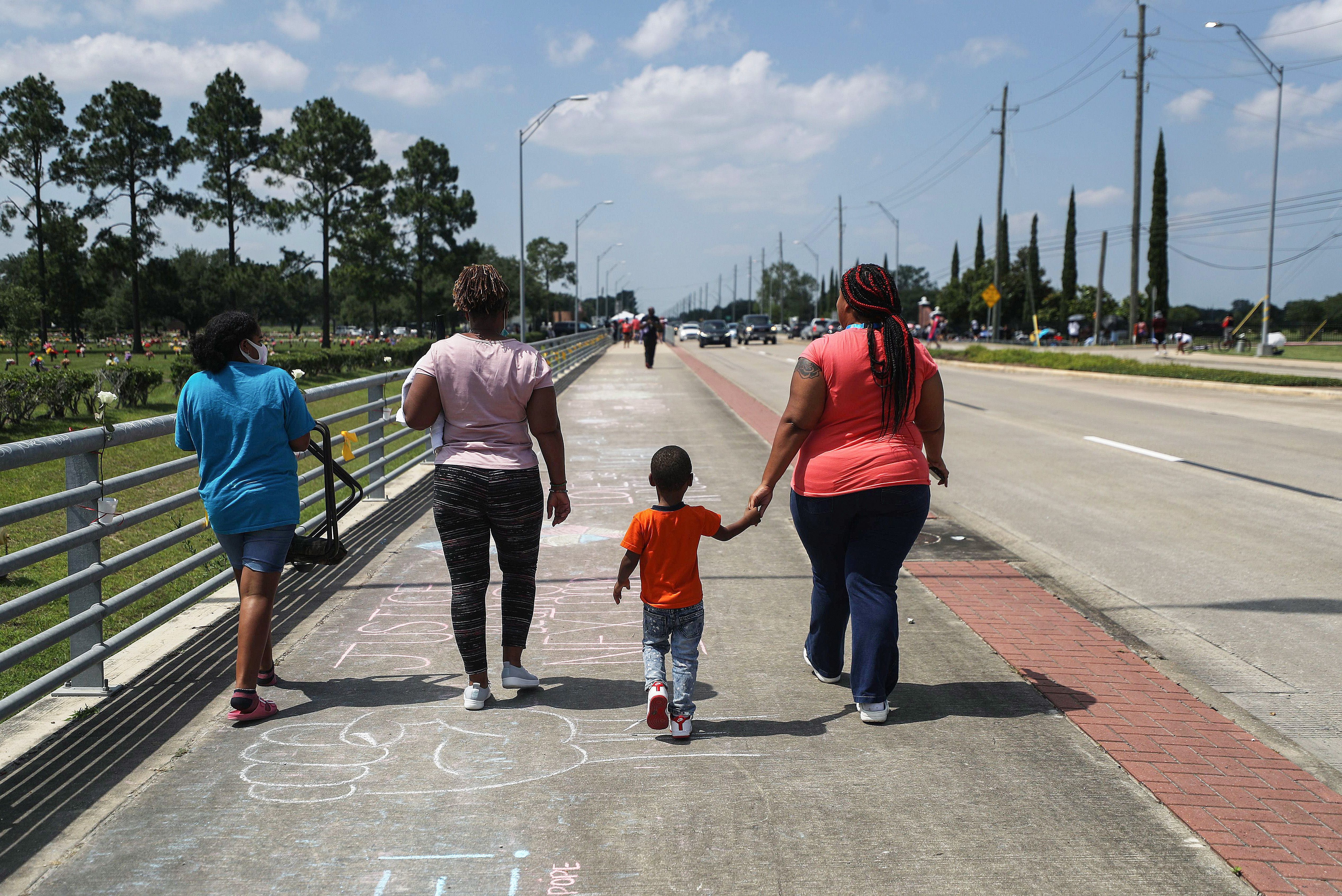
Growing economic pressures, from rising food and energy costs to job losses, are affecting voters’ spending and priorities, as seen in campaigns like New York Mayor Zahran Mamdani’s victory.
Policymakers are considering solutions, such as a free child care pilot in New Mexico and President Trump’s proposal for a 50-year mortgage.
The survey also revealed party differences in attitudes about factors limiting family size. Democrats were more likely than Republicans or independents to cite financial reasons, although majorities across all groups supported increasing the child tax credit.
Republicans were least supportive of broader government assistance, such as universal day care or direct payments to parents.
However, experts warn that even generous government programs may have limited impact on birth rates.
“It’s really hard to say if you’re given X amount of money from the government you’re going to have a baby because I think that’s not the math,” Gibson-Davies said. “It’s a very intimate and personal decision that people make.”