


There is no way around it. Running is a load-bearing exercise that puts a lot of pressure on the joints.
While doctors say it’s a myth that it’s bad for your knees, experts say cross-training can help runners perform and recover—and cycling is a great way to do just that.
For example, cycling helps runners minimize the risk of overusing muscles and joints.
Cycling is a low-impact exercise that puts weight and stress largely on the hips, legs, and core, while running affects the knees, hips, and ankles.
“Most running injuries are caused by overuse,” Steve Hultgren, of the Lehigh Valley Health Network of Pennsylvania, said in a statement. With cross-training, runners can continue to build strength and endurance while minimizing the risk of injury.
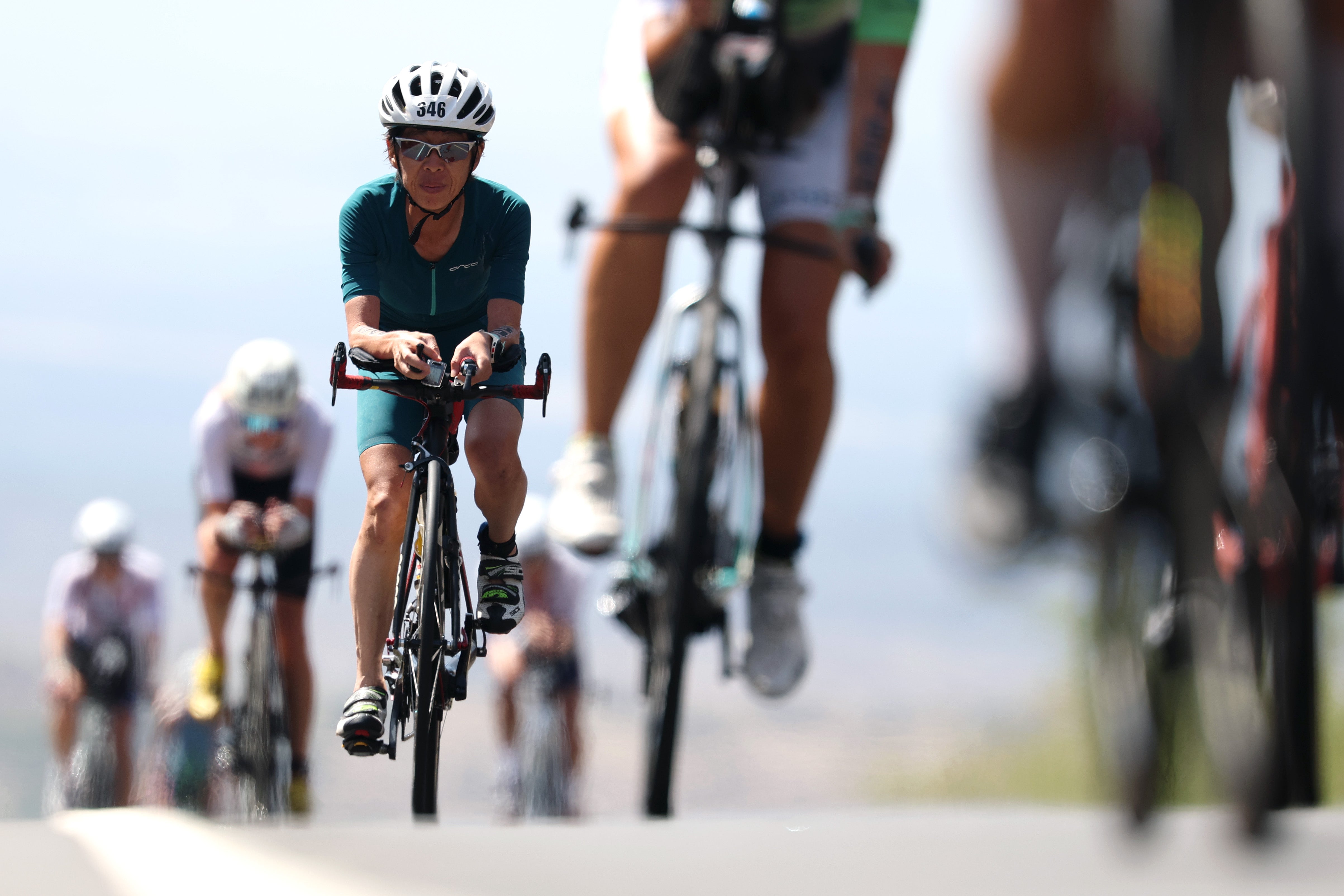
Several studies over the past decade have shown that people perform better when running after cycling.
A small study that followed 14 triathletes in Spain found that they ran faster after cycling than after a rest day. A separate study of 32 long-distance runners showed improvements in running after cycling.
Professional triathlete and Iron World Champion Lynsey Corbin said, “Cycling can be great for building high-level cardio into intervals. Sprint intervals get your heart rate up and also get your legs moving.” Runner’s World.
Cycling increases blood flow to the muscles used in running – calves, quadriceps and hamstrings. According to running brand ASICS, improved circulation helps runners reduce muscle fatigue.
Overall, cycling is a great alternative way to get cardio and keep your heart healthy.
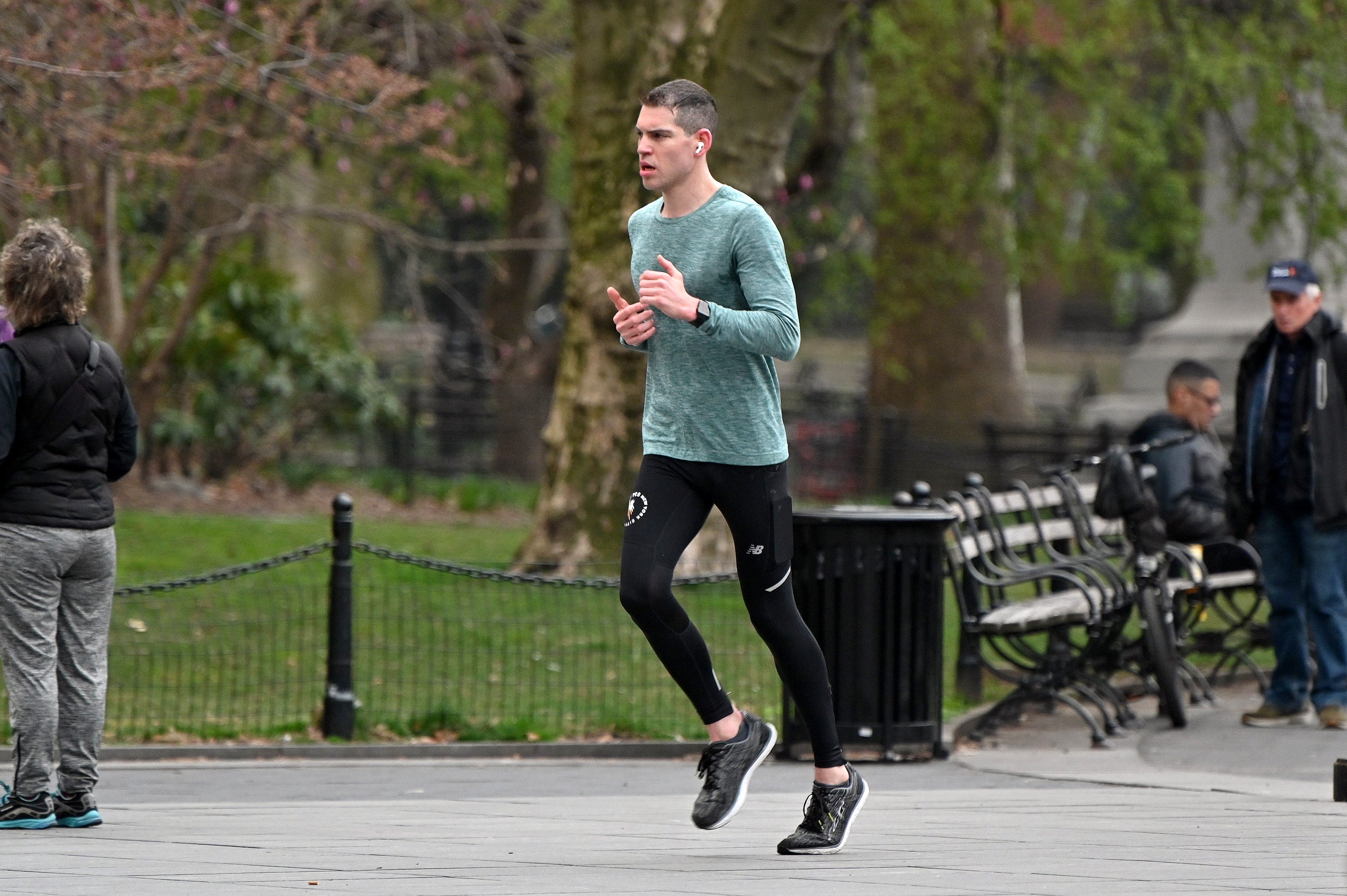
As an added bonus, it improves flexibility and balance and loosens your quadriceps, hamstrings, calves and hips, according to the Cleveland Clinic.
So, what’s the best way to incorporate cycling into your life as a runner? Break up the longer runs with a bike session the next day. Both activities burn about the same amount of calories.
Or, mix it up and do a little bit of both at the same time during a full-body workout at the gym. This could mean 20 minutes of cycling and 10 minutes of running, or vice versa.
Each of these options will help compensate for both activities and reduce the chance of injury – but listen to your body.
Physical therapist Dr. Jacqueline Kubiak recommends that new cyclists set small goals each day. “Start with 15 minutes of easy riding and then see how you feel the next day. And then slowly start to increase,” he advised.